Skip to content
Vimeo-v Instagram Facebook-f Twitter
Shop
Events
Join Us
Donate
  • Campaigns
    • Save BC Wolves
    • Save BC Bears
    • Bottom Trawling
    • Protect Pacific Herring
    • Marine Protection
    • Fish Farms Out
    • Research & Education
      • Science & Educational Resources
      • From Land to Sea: Great Bear Rainforest Story Map
  • Stories & News
    • All Articles
    • Bears
    • Wolves
    • Wild Salmon
    • Marine Protection
    • Herring
    • Bottom Trawling
    • Open Letters
    • In the News
      • Grizzly Bears In the News
      • Trawl Fisheries In the News
    • Press Releases
    • Conservation & Photography
  • Make A Difference
    • Take Action
    • Shop
      • Shop for Books and Apparel
      • Shop for Wildlife Prints
    • Save BC Wolves Online Community
    • Volunteer
    • Friends of Pacific Wild
    • #WildAuction Fundraisers
      • #WildAuction2023
  • Ways to Give
    • All Ways to Give
    • Leave a Gift in Your Will
    • Donate Stocks or Life Insurance
    • Corporate Giving
    • Donor Advised Funds
    • Foundation Giving
    • Donating by cheque or wire transfer
    • Start a Fundraiser
    • Fund our wishlist
    • Donate a Vehicle
    • Donor Support
  • About
    • Our Story
    • Our Team
    • Successes
      • Pacific Wild Journals
    • IMAX
      • A Great Big Film
      • IMAX Educator Guide
    • We’re Hiring
donate

Category: Bottom Trawling

trawler vessel with seagulls following
Bottom Trawling

In the News: Trawl Fisheries

Read More
Bottom Trawling

Dragged to Death – Investigative Mapping on B.C.’s Industrial Trawling

Read More
Bottom Trawling

PRESS RELEASE: NEW INVESTIGATION UNCOVERS 89,700 km² OF B.C. COAST HAMMERED BY INDUSTRIAL TRAWLERS

Read More
Bottom Trawling

Casting Doubt: 10 Reasons to Ban Industrial Trawling

Read More
Photo of trawlers in the distance on the ocean
Bottom Trawling

Press Release: Alarming Waste of Salmon by Trawl Fishery Revealed in DFO Report

Read More
Bottom Trawling

Read Now: “Dragnetting Coastal Communities”

Read More
The Public’s Opinion & Views on Trawling
Bottom Trawling

Trawling for Truth

Read More
Bottom Trawling

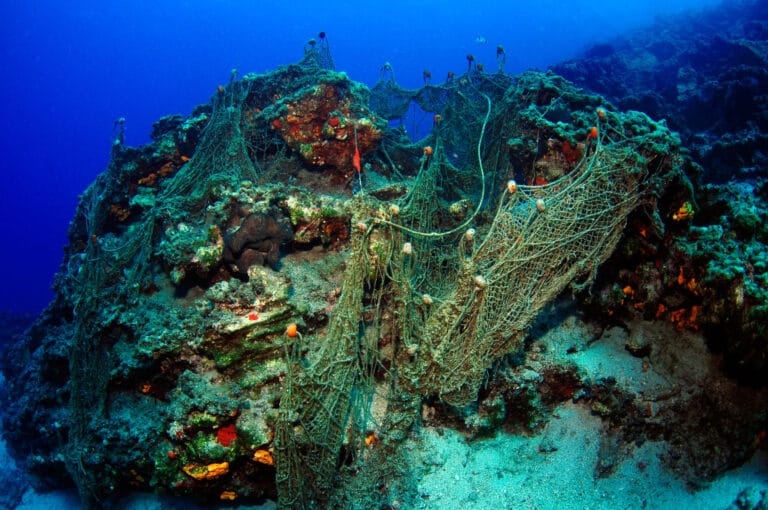
Ghost Gear: The Silent Killer of Our Oceans

Read More
Trawl Bycatch
Bottom Trawling

Trawl Transparency: Why Sustainable Fisheries are Impossible Without Real Transparency

Read More
Bottom Trawling

Canada needs Enforceable & Actionable Regulation within Marine Protected Areas

Read More
Bottom Trawling

An Overview of Bottom Trawling in Canada

Read More

Contact Us

Email: info@pacificwild.org

Phone: 250-380-0547

Main Office
1529 Amelia Street, Victoria, BC
Lək̓ʷəŋən Territory
V8W 2K1

Field Office
P.O. Box 26
Denny Island, BC
Haíɫzaqv Territory
V0T 1B0

quick links

1% for the Planet Pacific Wild
Stories & News
Marine Protection Microsite
Shop
Media Kit
Donor Portal
Donor Portal (US)
Benevity Matched Payroll Giving

Charity Navigator Rating

Instagram

🐆 It is rare to get up close and personal with a cougar (and most of us would rather keep a safe distance!). Fortunately, trail cam footage like this offers a safe and exciting peek into the hidden lives of these cryptic cats.

Vancouver Island has one of the highest concentrations of cougars in North America — but these large felines are experts at staying concealed. That’s why trail cameras have become a valuable (and non-invasive) method for studying them, along with species like wolves, caribou, elk, and bears.

The cougar in this video appears to have caught the scent of something interesting, perhaps the chemical communication markers left behind by another cougar. While cougars are excellent hunters, their sense of smell is much less acute that many other predators; instead, they rely on their keen eyesight to track down prey.

Trail cam footage of wild cougars is giving researchers new insights into cougar population dynamics and behaviour. It also helps wildlife managers better understand how animals and humans use shared spaces, and where potential conflicts exist.

The better we can understand wild carnivore species like cougars, the more we can fine-tune conservation and coexistence strategies that balance the needs of wildlife and people. Cougars are an incredible and important part of British Columbia’s ecosystems, and hopefully video footage like this will help people connect with the incredible wildlife cohabiting our corner of the planet. 🐾

Footage: @pacificimagery_ and Gary Schroyen

#WildlifeConservation #CougarConservation #TrailCam #WildlifeCoExistence #MountainLion

2792 23
Open post by pacificwild with ID 18389169487227760
🐆 It is rare to get up close and personal with a cougar (and most of us would rather keep a safe distance!). Fortunately, trail cam footage like this offers a safe and exciting peek into the hidden lives of these cryptic cats. 

Vancouver Island has one of the highest concentrations of cougars in North America — but these large felines are experts at staying concealed. That’s why trail cameras have become a valuable (and non-invasive) method for studying them, along with species like wolves, caribou, elk, and bears. 

The cougar in this video appears to have caught the scent of something interesting, perhaps the chemical communication markers left behind by another cougar. While cougars are excellent hunters, their sense of smell is much less acute that many other predators; instead, they rely on their keen eyesight to track down prey.

Trail cam footage of wild cougars is giving researchers new insights into cougar population dynamics and behaviour. It also helps wildlife managers better understand how animals and humans use shared spaces, and where potential conflicts exist. 

The better we can understand wild carnivore species like cougars, the more we can fine-tune conservation and coexistence strategies that balance the needs of wildlife and people. Cougars are an incredible and important part of British Columbia’s ecosystems, and hopefully video footage like this will help people connect with the incredible wildlife cohabiting our corner of the planet. 🐾

Footage: @pacificimagery_ and Gary Schroyen 

#WildlifeConservation #CougarConservation #TrailCam #WildlifeCoExistence #MountainLion

🚨 IN THE NEWS: Is Canada’s push to fast-track industrial development putting wildlife, nature, and Indigenous rights at risk?

Under the banner of building “Canada Strong,” the federal government is accelerating major industrial projects while weakening environmental safeguards and and undermining Indigenous Peoples’ rights.

Recent headlines reveal a troubling pattern: industrial expansion is being prioritized while environmental commitments, wildlife protections, and meaningful consultation are being left behind.

⚠️ From the designation of major infrastructure and pipeline projects as “Projects of National Interest,” to proposed cuts to national park wardens and the quiet abandonment of Canada`s commitment to ban thermal coal exports, these developments show the government`s troubling environmental priorities.

🐟 Meanwhile, new research reveals that endangered species are being left in regulatory limbo, without the federal protections they urgently need. Nine First Nations in B.C. and Alberta are challenging fast-tracked project decisions in court, while economists and environmental advocates are questioning the economic claims and environmental consequences of industrial expansion.

💚 A strong Canada shouldn`t come at the expense of the ecosystems and communities that sustain it. Economic development must not be used to justify bypassing environmental protections or Indigenous consultation.

📢 Swipe through the headlines, then make your voice heard! Contact your local, provincial, and federal representatives and demand a future where healthy communities, thriving wildlife, and intact ecosystems are the foundation of a truly strong Canada.

#BiodiversityConservation #EnvironmentalProtection #IndigenousRights #WildlifeConservation

408 10
Open post by pacificwild with ID 18224603257337229
🚨 IN THE NEWS: Is Canada’s push to fast-track industrial development putting wildlife, nature, and Indigenous rights at risk?

Under the banner of building “Canada Strong,” the federal government is accelerating major industrial projects while weakening environmental safeguards and and undermining Indigenous Peoples’ rights.

Recent headlines reveal a troubling pattern: industrial expansion is being prioritized while environmental commitments, wildlife protections, and meaningful consultation are being left behind.

⚠️ From the designation of major infrastructure and pipeline projects as “Projects of National Interest,” to proposed cuts to national park wardens and the quiet abandonment of Canada's commitment to ban thermal coal exports, these developments show the government's troubling environmental priorities.

🐟 Meanwhile, new research reveals that endangered species are being left in regulatory limbo, without the federal protections they urgently need. Nine First Nations in B.C. and Alberta are challenging fast-tracked project decisions in court, while economists and environmental advocates are questioning the economic claims and environmental consequences of industrial expansion.

💚 A strong Canada shouldn't come at the expense of the ecosystems and communities that sustain it. Economic development must not be used to justify bypassing environmental protections or Indigenous consultation.

📢 Swipe through the headlines, then make your voice heard! Contact your local, provincial, and federal representatives and demand a future where healthy communities, thriving wildlife, and intact ecosystems are the foundation of a truly strong Canada.

#BiodiversityConservation #EnvironmentalProtection #IndigenousRights #WildlifeConservation

Every fall, the rivers of coastal B.C. become a lifeline. 🐺🐻🐟

As salmon surge upstream, wolves and black bears gather at the water’s edge to feast. But the story doesn’t end there. Carcasses carried into the forest feed the trees, the insects, the birds, and the soil itself. Nutrients from the ocean end up in the rings of ancient cedars and spruce.

Salmon are at the heart of these boundary spanning food webs, nourishing the unique array of species that draw wildlife lovers to this region from around the world.

Protect the rivers, protect the salmon runs, protect the coastal temperate rainforest. 🌲

#SalmonRun #GreatBearRainforest #WildlifeConservation #ProtectSalmon

606 3
Open post by pacificwild with ID 17989929002880610
Every fall, the rivers of coastal B.C. become a lifeline. 🐺🐻🐟

As salmon surge upstream, wolves and black bears gather at the water’s edge to feast. But the story doesn’t end there. Carcasses carried into the forest feed the trees, the insects, the birds, and the soil itself. Nutrients from the ocean end up in the rings of ancient cedars and spruce.

Salmon are at the heart of these boundary spanning food webs, nourishing the unique array of species that draw wildlife lovers to this region from around the world.

Protect the rivers, protect the salmon runs, protect the coastal temperate rainforest. 🌲

#SalmonRun #GreatBearRainforest #WildlifeConservation #ProtectSalmon

🌍 🌿 Happy International Day for Biosphere Reserves!

Today, November 3, we celebrate the extraordinary ecosystems and communities that make up UNESCO’s World Network of Biosphere Reserves, spanning 797 sites across 145 countries. British Columbia is home to three of Canada`s 20 biosphere reserves, two of which are on Vancouver Island.

To receive UNESCO designation, regions must have significant conservation value, support sustainable development, and include protected core areas, surrounding buffer zones, and transition areas for sustainable human activities.

Explore B.C.`s three biosphere regions:

🌊 Átl`ḵa7tsem / Howe Sound: Spanning over 2,000 km², this region was recognized for its global ecological significance and remarkable recovery following nearly a century of colonial industrial degradation. This region is within the unceded territory of the Squamish, Tseli-Waututh, Musqueam, Sto:lo, Shishalht, St’at’imc-Lillooet Tribal Council, In-shuck-ch, Katzie, Lil’wat, and First Nations represented by the Hul`qumi`num Treaty Group.

🌲 Clayoquot Sound: Located on Vancouver Island, this region contains some of the world`s last remaining old-growth coastal temperate rainforests, providing critical habitat for many endangered species. Indigenous stewardship has been vital to the conservation of this region, which encompasses the traditional territories of the Hesquiaht, Tla-o-qui-aht, Ucluelet and Toquaht First Nations.

🏞️ Mount Arrowsmith: This 1,200 km² region encompasses five watersheds, stretching from Mount Arrowsmith`s 1,817-metre summit to 300 metres beneath the Salish Sea, connecting mountain, freshwater, and marine ecosystems. It lies within the traditional territories of the Qualicum, Snaw-naw-as, Snuneymuxw, K`ómoks, Tseshaht, Hupacasath, and Ditidaht First Nations.

💚 While international recognition is worth celebrating, lasting conservation requires meaningful action to protect these irreplaceable ecosystems for generations to come.

Learn more: https://biospherecanada.ca/

#InternationalDayForBiosphereReserves #BiosphereReserves #BiodiversityConservation #BritishColumbia #OldGrowthForests

352 0
Open post by pacificwild with ID 17880295041635638
🌍 🌿 Happy International Day for Biosphere Reserves!

Today, November 3, we celebrate the extraordinary ecosystems and communities that make up UNESCO’s World Network of Biosphere Reserves, spanning 797 sites across 145 countries. British Columbia is home to three of Canada's 20 biosphere reserves, two of which are on Vancouver Island.

To receive UNESCO designation, regions must have significant conservation value, support sustainable development, and include protected core areas, surrounding buffer zones, and transition areas for sustainable human activities.

Explore B.C.'s three biosphere regions:

🌊 Átl'ḵa7tsem / Howe Sound: Spanning over 2,000 km², this region was recognized for its global ecological significance and remarkable recovery following nearly a century of colonial industrial degradation. This region is within the unceded territory of the Squamish, Tseli-Waututh, Musqueam, Sto:lo, Shishalht, St’at’imc-Lillooet Tribal Council, In-shuck-ch, Katzie, Lil’wat, and First Nations represented by the Hul'qumi'num Treaty Group.

🌲 Clayoquot Sound: Located on Vancouver Island, this region contains some of the world's last remaining old-growth coastal temperate rainforests, providing critical habitat for many endangered species. Indigenous stewardship has been vital to the conservation of this region, which encompasses the traditional territories of the Hesquiaht, Tla-o-qui-aht, Ucluelet and Toquaht First Nations.

🏞️ Mount Arrowsmith: This 1,200 km² region encompasses five watersheds, stretching from Mount Arrowsmith's 1,817-metre summit to 300 metres beneath the Salish Sea, connecting mountain, freshwater, and marine ecosystems. It lies within the traditional territories of the Qualicum, Snaw-naw-as, Snuneymuxw, K'ómoks, Tseshaht, Hupacasath, and Ditidaht First Nations.

💚 While international recognition is worth celebrating, lasting conservation requires meaningful action to protect these irreplaceable ecosystems for generations to come.

Learn more: https://biospherecanada.ca/ 

#InternationalDayForBiosphereReserves #BiosphereReserves #BiodiversityConservation #BritishColumbia #OldGrowthForests

🌿 Positive Environmental News: Good Things Are Happening for People and the Planet! 🌎

Though our world faces many environmental and political challenges, there are still many conservation successes to celebrate! Here is a recent roundup of positive environmental news from across the globe to keep you inspired.

⚖️ Climate accountability: Fifteen young Canadians have begun a historic trial challenging the federal government`s response to climate change.
🐟 Wild salmon recovery: Habitat restoration in Saanich, B.C., is helping bring salmon back to an urban stream.
🐻 Wildlife protection: The Haida Nation is creating artificial dens for black bears whose natural shelters have been lost to old-growth logging.
🌿 Indigenous-led conservation: New research highlights the remarkable environmental, cultural and community benefits of First Nations Guardians programs in Canada.
🌎 Environmental justice: Canada has released its first national strategy to address environmental racism and advance environmental justice.
🐺 Wolf recovery: Colorado`s reintroduced wolves have established a fifth pack, marking another milestone in their return to the landscape.
🦦 Innovative conservation: Volunteers in England are seeing the world through wildlife`s eyes to help shape the future of river restoration.
🌳 Forests and communities: A basic income pilot in the Peruvian Amazon is showing promising benefits for Indigenous communities and environmental stewardship.

These stories remind us that conservation takes many forms, from restoring habitats and protecting wildlife to supporting Indigenous leadership and holding governments accountable.

💚 Swipe through for eight reasons to feel hopeful about the future of our planet!

#PositiveEnvironmentalNews #WildlifeConservation #IndigenousStewardship #ClimateAction #EnvironmentalJustice

494 5
Open post by pacificwild with ID 18168677218484642
🌿 Positive Environmental News: Good Things Are Happening for People and the Planet! 🌎

Though our world faces many environmental and political challenges, there are still many conservation successes to celebrate! Here is a recent roundup of positive environmental  news from across the globe to keep you inspired. 

⚖️ Climate accountability: Fifteen young Canadians have begun a historic trial challenging the federal government's response to climate change.
🐟 Wild salmon recovery: Habitat restoration in Saanich, B.C., is helping bring salmon back to an urban stream.
🐻 Wildlife protection: The Haida Nation is creating artificial dens for black bears whose natural shelters have been lost to old-growth logging.
🌿 Indigenous-led conservation: New research highlights the remarkable environmental, cultural and community benefits of First Nations Guardians programs in Canada.
🌎 Environmental justice: Canada has released its first national strategy to address environmental racism and advance environmental justice.
🐺 Wolf recovery: Colorado's reintroduced wolves have established a fifth pack, marking another milestone in their return to the landscape.
🦦 Innovative conservation: Volunteers in England are seeing the world through wildlife's eyes to help shape the future of river restoration.
🌳 Forests and communities: A basic income pilot in the Peruvian Amazon is showing promising benefits for Indigenous communities and environmental stewardship.

These stories remind us that conservation takes many forms, from restoring habitats and protecting wildlife to supporting Indigenous leadership and holding governments accountable.

💚 Swipe through for eight reasons to feel hopeful about the future of our planet!

#PositiveEnvironmentalNews #WildlifeConservation #IndigenousStewardship #ClimateAction #EnvironmentalJustice

This time of year is often filled with contemplation about the cycle of life and death. In British Columbia, perhaps nothing epitomizes this cycle more than the autumn return of salmon from the ocean to their natal freshwater headwaters, as riverways swell from the return of seasonal rains.

The salmons’ journey home is the completion of their life cycle; as they swim and leap their way for days up vast, coiling waterways, many will become critical calories for bears, birds, wolves, and other creatures preparing for winter. Those salmon that make it to the headwaters to successfully reproduce will lay the foundations of the next generation, and die shortly after.

Even after their death, these salmon still help bring life to the surrounding ecosystem; their decomposing bodies release valuable nutrients that nourish plants and animals for kilometers around. Scientists have found that trees near salmon streams grow three times faster than trees where salmon are absent, thanks to the added nitrogen their bodies provide to the soil.

B.C.’s ecosystems thrive on this giving and receiving, these interconnections of plants and animals, and the cycles of life and death. As we progress towards shorter, darker days in the Northern Hemisphere, it is a reminder to practice gratitude for the natural systems that support us, and to ensure we protect these systems into the future.

#SaveBCSalmon #WildlifeConservation #PacificSalmon #SustainableFishing

540 7
Open post by pacificwild with ID 18116802068113070
This time of year is often filled with contemplation about the cycle of life and death. In British Columbia, perhaps nothing epitomizes this cycle more than the autumn return of salmon from the ocean to their natal freshwater headwaters, as riverways swell from the return of seasonal rains.

The salmons’ journey home is the completion of their life cycle; as they swim and leap their way for days up vast, coiling waterways, many will become critical calories for bears, birds, wolves, and other creatures preparing for winter. Those salmon that make it to the headwaters to successfully reproduce will lay the foundations of the next generation, and die shortly after.

Even after their death, these salmon still help bring life to the surrounding ecosystem; their decomposing bodies release valuable nutrients that nourish plants and animals for kilometers around. Scientists have found that trees near salmon streams grow three times faster than trees where salmon are absent, thanks to the added nitrogen their bodies provide to the soil.

B.C.’s ecosystems thrive on this giving and receiving, these interconnections of plants and animals, and the cycles of life and death. As we progress towards shorter, darker days in the Northern Hemisphere, it is a reminder to practice gratitude for the natural systems that support us, and to ensure we protect these systems into the future.

#SaveBCSalmon #WildlifeConservation #PacificSalmon #SustainableFishing

© 2026 PACIFIC WILD  •  All Photography © Ian McAllister unless otherwise noted. Managed by Mastermynde  •  Privacy Policy
•  Terms of Service

  • Donate Now
    • Other Ways to Give
  • Campaigns
    • Save BC Wolves
    • Fish Farms Out
    • Save BC Bears
    • Protect Pacific Herring
    • Marine Protection
    • Research & Education
      • From Land to Sea: Great Bear Rainforest Story Map
      • SEAS Community Initiative
  • Stories & News
    • All Articles
    • Wolves
    • Wild Salmon
    • Herring
    • Marine Protection
    • Bottom Trawling
    • Open Letters
    • In the News
    • Press Releases
    • Conservation & Photography
  • Make a Difference
    • Take Action
    • Join the Save BC Wolves Online Community
    • Friends of Pacific Wild
    • Volunteer
  • About
    • Our Story
    • Our Team
    • Successes
    • Partners
    • We’re Hiring
  • IMAX
    • A Great Big Film
    • IMAX Educator Guide
  • Shop
    • Shop for Books & Apparel
    • Shop for Prints
  • Call 1-250-380-0547