Skip to content
Vimeo-v Instagram Facebook-f Twitter
Shop
Events
Join Us
Donate
  • Campaigns
    • Save BC Wolves
    • Save BC Bears
    • Bottom Trawling
    • Protect Pacific Herring
    • Marine Protection
    • Fish Farms Out
    • Research & Education
      • Science & Educational Resources
      • From Land to Sea: Great Bear Rainforest Story Map
  • Stories & News
    • All Articles
    • Bears
    • Wolves
    • Wild Salmon
    • Marine Protection
    • Herring
    • Bottom Trawling
    • Open Letters
    • In the News
      • Grizzly Bears In the News
      • Trawl Fisheries In the News
    • Press Releases
    • Conservation & Photography
  • Make A Difference
    • Take Action
    • Shop
      • Shop for Books and Apparel
      • Shop for Wildlife Prints
    • Save BC Wolves Online Community
    • Volunteer
    • Friends of Pacific Wild
    • #WildAuction Fundraisers
      • #WildAuction2023
  • Ways to Give
    • All Ways to Give
    • Leave a Gift in Your Will
    • Donate Stocks or Life Insurance
    • Corporate Giving
    • Donor Advised Funds
    • Foundation Giving
    • Donating by cheque or wire transfer
    • Start a Fundraiser
    • Fund our wishlist
    • Donate a Vehicle
    • Donor Support
  • About
    • Our Story
    • Our Team
    • Successes
      • Pacific Wild Journals
    • IMAX
      • A Great Big Film
      • IMAX Educator Guide
    • We’re Hiring
  • Campaigns
    • Save BC Wolves
    • Save BC Bears
    • Bottom Trawling
    • Protect Pacific Herring
    • Marine Protection
    • Fish Farms Out
    • Research & Education
      • Science & Educational Resources
      • From Land to Sea: Great Bear Rainforest Story Map
  • Stories & News
    • All Articles
    • Bears
    • Wolves
    • Wild Salmon
    • Marine Protection
    • Herring
    • Bottom Trawling
    • Open Letters
    • In the News
      • Grizzly Bears In the News
      • Trawl Fisheries In the News
    • Press Releases
    • Conservation & Photography
  • Make A Difference
    • Take Action
    • Shop
      • Shop for Books and Apparel
      • Shop for Wildlife Prints
    • Save BC Wolves Online Community
    • Volunteer
    • Friends of Pacific Wild
    • #WildAuction Fundraisers
      • #WildAuction2023
  • Ways to Give
    • All Ways to Give
    • Leave a Gift in Your Will
    • Donate Stocks or Life Insurance
    • Corporate Giving
    • Donor Advised Funds
    • Foundation Giving
    • Donating by cheque or wire transfer
    • Start a Fundraiser
    • Fund our wishlist
    • Donate a Vehicle
    • Donor Support
  • About
    • Our Story
    • Our Team
    • Successes
      • Pacific Wild Journals
    • IMAX
      • A Great Big Film
      • IMAX Educator Guide
    • We’re Hiring
donate

Category: In the News

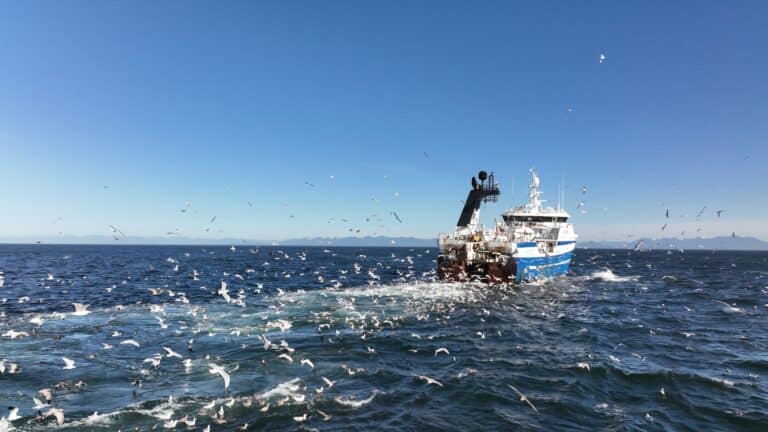
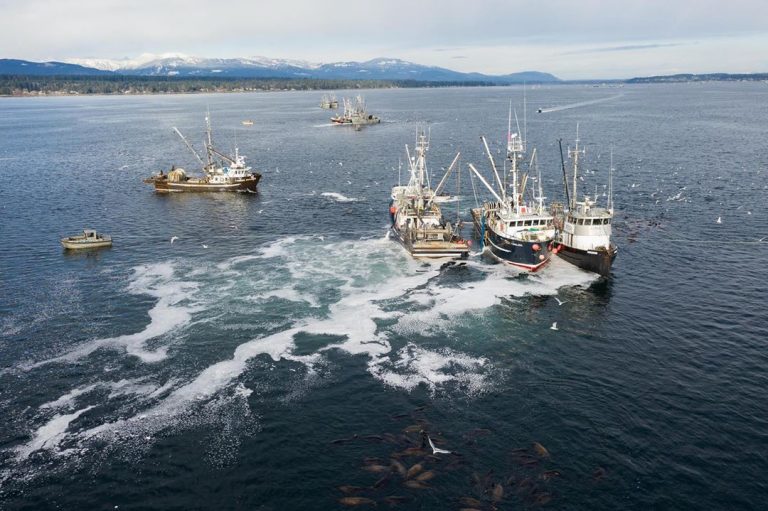
trawler vessel with seagulls following
Bottom Trawling

In the News: Trawl Fisheries

Read More
In the News

In the News: Wolves

Read More
Bears

In the News: Pushback against Grizzly Bear Protections

Read More
Save BC Wolves
In the News

News Coverage: B.C. Government Releases 46 Wolf Cull Images

Read More
Forests

Reflecting on Eby’s 100th Day at the United For Old-Growth Rally

Read More
In the News

Dead Wolf Linked to B.C. Cull Found Collared and Struggling to Breathe

Read More
In the News

Opinion Editorial: Premier Eby’s Housing Solutions Need to Consider Environmental Cost

Read More
In the News

Times Colonist: BC Conservation Officer Service accused of purchasing ‘military-grade’ assault rifles

Read More
In the News

Radio Canada: The River Walkers

Read More
Save BC Wolves
In the News

Times Colonist: B.C. extends wolf cull despite nearly 60% opposition

Read More
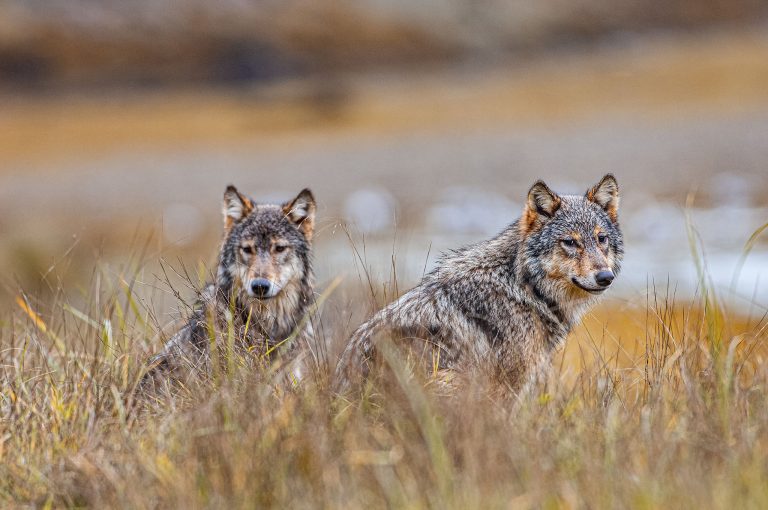
Two wolves sitting
In the News

National Observer: BC kills 237 wolves while court challenge of air hunt pending

Read More
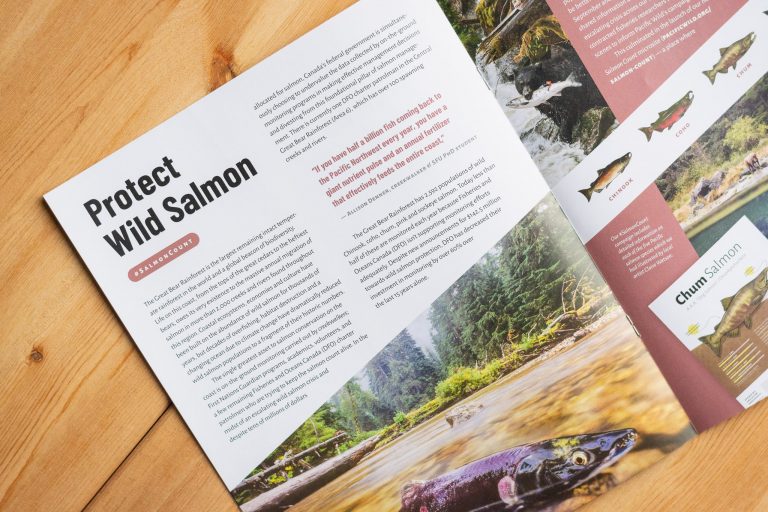
Pacific Wild Journal 2020
In the News

Pacific Wild Journal 2020: Dispatches from a Northern Rainforest (Digital Version)

Read More
Herring

CFAX 1070: Depleted Herring Fishing

Read More
Herring

Globe and Mail: Herring roe fishing opens despite dire warnings about the health of the fishery

Read More
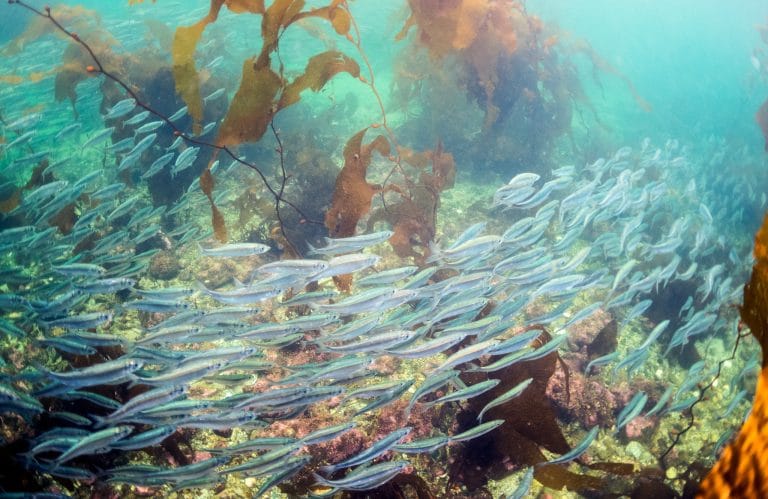
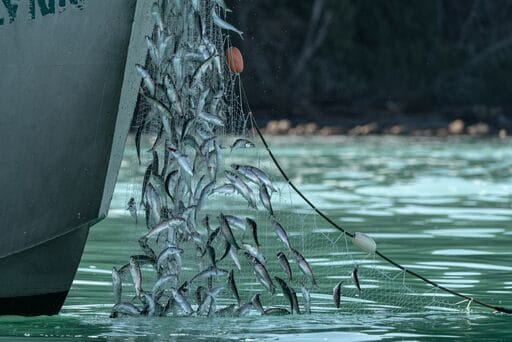
Copyright Dior Sheen. Herring in gillnet.
Herring

CTV National News: Protesters call for closure of B.C.’s last herring fishery

Read More
Page1 Page2 Page3

Contact Us

Email: info@pacificwild.org

Phone: 250-380-0547

Main Office
1529 Amelia Street, Victoria, BC
Lək̓ʷəŋən Territory
V8W 2K1

Field Office
P.O. Box 26
Denny Island, BC
Haíɫzaqv Territory
V0T 1B0

quick links

1% for the Planet Pacific Wild
Stories & News
Marine Protection Microsite
Shop
Media Kit
Donor Portal
Donor Portal (US)
Benevity Matched Payroll Giving

Charity Navigator Rating

Instagram

🌊 Another wave of good news for nature! From Indigenous-led conservation here on B.C.’s coast to new marine reserves, efforts to protect whales and dolphins, and encouraging declines in Amazon deforestation, these stories show environmental progress happening around the world.

🏆 The Great Bear Sea PFP has received a Fulbright Canada Honouring Nations Award, recognizing the leadership of the 17 First Nations behind the initiative.
🐟 The B.C. government is investing $2 million to strengthen First Nations participation in decisions affecting wild salmon, water, and coastal ecosystems.
🐋 Iceland is moving toward a proposed ban on commercial whaling.
🦐 More than 94% of Germany’s drugstore sector has committed to going krill-free which countless Antarctic species depend on for survival.
🪸 New Zealand has opened its first marine reserves governed through shared decision-making between Māori and government.
🐬 More than 10,000 people have supported a petition led by the Māori iwi (nation) Ngāti Te Wehi, calling for an end to bottom trawling in the habitat of the last 48 Māui dolphins.
🎣 Sixteen countries have adopted a new declaration to increase fisheries transparency and combat illegal fishing.
🌳 Brazilian Amazon deforestation alerts have fallen 36% in one year, reaching their lowest level since 2013.
🐨 Australia’s Great Koala National Park is being established to reconnect important forest habitat for thousands of koalas and dozens of other threatened species.

💚 These stories show that conservation progress can take many forms—from Indigenous governance and long-term funding to protected areas, international cooperation, public action, and changes in consumer markets. There is still much more work to do, but each represents a tangible step toward healthier ecosystems and species recovery.

#PositiveNews #Conservation #OceanConservation #IndigenousStewardship #WildlifeProtection #MarineProtection #Biodiversity #NatureRecovery

141 3
Open post by pacificwild with ID 18216018172347116
🌊 Another wave of good news for nature! From Indigenous-led conservation here on B.C.’s coast to new marine reserves, efforts to protect whales and dolphins, and encouraging declines in Amazon deforestation, these stories show environmental progress happening around the world.

🏆 The Great Bear Sea PFP has received a Fulbright Canada Honouring Nations Award, recognizing the leadership of the 17 First Nations behind the initiative.
🐟 The B.C. government is investing $2 million to strengthen First Nations participation in decisions affecting wild salmon, water, and coastal ecosystems.
🐋 Iceland is moving toward a proposed ban on commercial whaling.
🦐 More than 94% of Germany’s drugstore sector has committed to going krill-free which countless Antarctic species depend on for survival.
🪸 New Zealand has opened its first marine reserves governed through shared decision-making between Māori and government.
🐬 More than 10,000 people have supported a petition led by the Māori iwi (nation) Ngāti Te Wehi, calling for an end to bottom trawling in the habitat of the last 48 Māui dolphins.
🎣 Sixteen countries have adopted a new declaration to increase fisheries transparency and combat illegal fishing.
🌳 Brazilian Amazon deforestation alerts have fallen 36% in one year, reaching their lowest level since 2013.
🐨 Australia’s Great Koala National Park is being established to reconnect important forest habitat for thousands of koalas and dozens of other threatened species.

💚 These stories show that conservation progress can take many forms—from Indigenous governance and long-term funding to protected areas, international cooperation, public action, and changes in consumer markets. There is still much more work to do, but each represents a tangible step toward healthier ecosystems and species recovery.

#PositiveNews #Conservation #OceanConservation #IndigenousStewardship #WildlifeProtection #MarineProtection #Biodiversity #NatureRecovery

🐟 Herring are the lifeblood of the Salish Sea, and protecting them means protecting the ecosystems, cultures, and relationships that depend on them. On September 28, join us for Herring Rising: Indigenous Justice in the Salish Sea, an evening focused on herring conservation, Indigenous justice, and the future of the Salish Sea.

Hosted by @georgiastraitbc and the Herring Conservation and Restoration Society, the event will bring together W̱SÁNEĆ Hereditary Chief Eric Pelkey, Dr. Sara Ohayon (@uvic Ocean Conservation Lab), and lawyer John Rich to explore the ecological, legal, and Indigenous perspectives behind the fight to protect herring. 🐟💙

The evening will also offer a chance to connect with others who care about the Salish Sea and learn how you can support Indigenous-led herring stewardship and conservation.

📅 September 28, 2026
🕕 6:00–8:30 PM
📍 Esquimalt Gorge Park & Pavilion
🎟️ Tickets are available now!

Come learn, connect, and stand with Indigenous leaders working to restore herring and a thriving Salish Sea.

👉🔗 Get your tickets through the link in our bio!

@georgiastraitbc @conservancyhornbyisland @uvic

#PacificHerring #ProtectPacificHerring #BigLittleFish #YYJ #YYJEvents

103 0
Open post by pacificwild with ID 18119517137315548
🐟 Herring are the lifeblood of the Salish Sea, and protecting them means protecting the ecosystems, cultures, and relationships that depend on them. On September 28, join us for Herring Rising: Indigenous Justice in the Salish Sea, an evening focused on herring conservation, Indigenous justice, and the future of the Salish Sea.

Hosted by @georgiastraitbc and the Herring Conservation and Restoration Society, the event will bring together W̱SÁNEĆ Hereditary Chief Eric Pelkey, Dr. Sara Ohayon (@uvic Ocean Conservation Lab), and lawyer John Rich to explore the ecological, legal, and Indigenous perspectives behind the fight to protect herring. 🐟💙

The evening will also offer a chance to connect with others who care about the Salish Sea and learn how you can support Indigenous-led herring stewardship and conservation.

📅 September 28, 2026
🕕 6:00–8:30 PM
📍 Esquimalt Gorge Park & Pavilion
🎟️ Tickets are available now!

Come learn, connect, and stand with Indigenous leaders working to restore herring and a thriving Salish Sea.

👉🔗 Get your tickets through the link in our bio!

@georgiastraitbc @conservancyhornbyisland @uvic

#PacificHerring #ProtectPacificHerring #BigLittleFish #YYJ #YYJEvents

We tend to file wolves under one category: apex predator. They are often labeled as hunters, a threat to livestock, a risk to be "managed."

But a new study may give wolves an additional job title: Gardener. 🌱

Scientists from Voyageurs Wolf Project recently discovered that wolves contribute to their ecosystem in an unexpected way — by helping blueberries grow! 🐺🫐

Seeds that pass through a wolf`s gut germinate faster and far more successfully than seeds that don`t (96% vs. 69% in this study). It turns out that digestion scuffs up the seed coat just enough to help it sprout, and wolf scat may even work like a natural fertilizer.

Add in the fact that wolves cover huge distances in short amounts of time, and you`ve got an animal reseeding forests with nutrient-dense fruit as it roams, including into freshly burned or cleared land that`s primed for new growth.

This is a small case study with a big lesson: species rarely play just one role in their environment. A "predator" can also be a pollinator, a seed disperser, or an ecosystem engineer, often in ways we haven`t discovered yet, and sometimes at trophic levels we don`t even associate with them.

Meanwhile, wildlife policy is too often built on the assumption that we fully understand what a species does, and that removing it will have a contained, predictable effect (cue B.C.’s shortsighted wolf cull that removes hundreds of wolves from the landscape every year).

Wildlife policy and management in B.C. should catch up to the science and acknowledge that ecosystems are webs, not simple food chains, and pulling one thread can unravel critical ecological connections. 🕸️

See the link in our bio to read the full study.

#WolfConservation #SaveBCWolves #Ecology #Biodiversity #TrophicCascade

1646 20
Open post by pacificwild with ID 17893251582673478
We tend to file wolves under one category: apex predator. They are often labeled as hunters, a threat to livestock, a risk  to be "managed."

But a new study may give wolves an additional job title: Gardener. 🌱

Scientists from Voyageurs Wolf Project recently discovered that wolves contribute to their ecosystem in an unexpected way — by helping blueberries grow! 🐺🫐

Seeds that pass through a wolf's gut germinate faster and far more successfully than seeds that don't (96% vs. 69% in this study). It turns out that digestion scuffs up the seed coat just enough to help it sprout, and wolf scat may even work like a natural fertilizer. 

Add in the fact that wolves cover huge distances in short amounts of time, and you've got an animal reseeding forests with nutrient-dense fruit as it roams, including into freshly burned or cleared land that's primed for new growth.

This is a small case study with a big lesson: species rarely play just one role in their environment. A "predator" can also be a pollinator, a seed disperser, or an ecosystem engineer, often in ways we haven't discovered yet, and sometimes at trophic levels we don't even associate with them.

Meanwhile, wildlife policy is too often built on the assumption that we fully understand what a species does, and that removing it will have a contained, predictable effect (cue B.C.’s shortsighted wolf cull that removes hundreds of wolves from the landscape every year). 

Wildlife policy and management in B.C. should catch up to the science and acknowledge that ecosystems are webs, not simple food chains, and pulling one thread can unravel critical ecological connections. 🕸️

See the link in our bio to read the full study.

#WolfConservation #SaveBCWolves #Ecology #Biodiversity #TrophicCascade

🚨 URGENT ACTION NEEDED 🗣️Tell the federal government that no pipeline is worth extinction!

Pacific Wild is submitting our feedback on the proposed West Coast Oil Pipeline and its potential designation as a “project of national interest” under the Building Canada Act. The proposed pipeline could transport up to 1 million barrels of oil every day to a new marine terminal near the Fraser River estuary, bringing additional tanker traffic, underwater noise and oil-spill risk to an already heavily impacted marine ecosystem.

🐋 This matters for the 74 remaining Southern Resident killer whales, an endangered population already facing imminent threats to its survival and recovery.

⏰ The public comment period closes September 18, 2026, and we need you to speak up!

You can take action right now:
✍️ Use our friends at @ecojustice letter-writing tool to send a letter to decision-makers.
📝 Or write your own letter and share your concerns about the pipeline and its potential impacts on endangered whales, salmon, the Fraser River estuary, B.C.’s coast and our climate. Send feedback by email to WCOPComment-CommentaireOCO@mpo-bgp.gc.ca

Tell the federal government: environmental safeguards must not be weakened or bypassed to fast-track this project. The Southern Residents cannot afford another threat. Neither can the ecosystems and communities that depend on a healthy B.C. coast.

👉 Send your letter before September 18.
🔗 Visit the link in our bio to take action.

📸 @centerforwhaleresearch NMFS Permit #27038 (L-87,

#EndangeredSpecies #SRKW #NoTankers #NoPipelines #Conservation

279 9
Open post by pacificwild with ID 18016028846933919
🚨 URGENT ACTION NEEDED 🗣️Tell the federal government that no pipeline is worth extinction!

Pacific Wild is submitting our feedback on the proposed West Coast Oil Pipeline and its potential designation as a “project of national interest” under the Building Canada Act. The proposed pipeline could transport up to 1 million barrels of oil every day to a new marine terminal near the Fraser River estuary, bringing additional tanker traffic, underwater noise and oil-spill risk to an already heavily impacted marine ecosystem.

🐋 This matters for the 74 remaining Southern Resident killer whales, an endangered population already facing imminent threats to its survival and recovery. 

⏰ The public comment period closes September 18, 2026, and we need you to speak up!

You can take action right now:
✍️ Use our friends at @ecojustice letter-writing tool to send a letter to decision-makers. 
📝 Or write your own letter and share your concerns about the pipeline and its potential impacts on endangered whales, salmon, the Fraser River estuary, B.C.’s coast and our climate. Send feedback by email to WCOPComment-CommentaireOCO@mpo-bgp.gc.ca 

Tell the federal government: environmental safeguards must not be weakened or bypassed to fast-track this project. The Southern Residents cannot afford another threat. Neither can the ecosystems and communities that depend on a healthy B.C. coast.

👉 Send your letter before September 18. 
🔗 Visit the link in our bio to take action.

📸 @centerforwhaleresearch NMFS Permit #27038 (L-87, 

#EndangeredSpecies #SRKW #NoTankers #NoPipelines #Conservation

🎉🌊 A win for endangered species, and proof that public pressure works!

The federal government has dropped its proposed “jeopardy clause” exemption that would have allowed major projects to sidestep certain protections under Canada’s Species at Risk Act (SARA).

That’s good news. 🐋 Alongside other environmental organizations, concerned citizens and communities, Pacific Wild spoke up during the public feedback process, and the government listened. But this is not the end of the fight.

While the proposed SARA exemption has been dropped, the Building Canada Act, which is already law, still creates a potential pathway for nationally designated projects to move through an accelerated approval process, including authorizations and conditions that could affect how SARA protections are applied. In other words: the door to SARA shortcuts may not be closed.

That’s why we need to keep the pressure on and make our message clear: 🚫 NO SARA SHORTCUTS.

Endangered species should not have to compete with industrial projects for protection. Strong environmental laws only work when governments actually uphold them. 💚 Want to take action?

📣 Sign @wcelaw `s letter calling on the federal government to reject the proposal to designate a risky pipeline and tanker project as being in the “national interest”. Follow the link in their bio to sign, look for the most recent orca photo!

🗣️ Join our friends at @georgiastraitbc for their webinar “In Whose Interest? Understanding endangered species, major projects, and their legality” next week to learn more about what’s at stake and how you can get involved. Follow the link in their bio, under the "event registration" tab.

Public pressure made a difference once. Let’s keep speaking up.

📸 @iantmcallister

#EndangeredSpecies #SRKW #NoTankers #NoPipelines #Conservation

822 7
Open post by pacificwild with ID 18076451999385483
🎉🌊 A win for endangered species, and proof that public pressure works!

The federal government has dropped its proposed “jeopardy clause” exemption that would have allowed major projects to sidestep certain protections under Canada’s Species at Risk Act (SARA).

That’s good news. 🐋 Alongside other environmental organizations, concerned citizens and communities, Pacific Wild spoke up during the public feedback process, and the government listened. But this is not the end of the fight.

While the proposed SARA exemption has been dropped, the Building Canada Act, which is already law, still creates a potential pathway for nationally designated projects to move through an accelerated approval process, including authorizations and conditions that could affect how SARA protections are applied. In other words: the door to SARA shortcuts may not be closed.

That’s why we need to keep the pressure on and make our message clear: 🚫 NO SARA SHORTCUTS.

Endangered species should not have to compete with industrial projects for protection. Strong environmental laws only work when governments actually uphold them. 💚 Want to take action?

📣 Sign @wcelaw 's letter calling on the federal government to reject the proposal to designate a risky pipeline and tanker project as being in the “national interest”. Follow the link in their bio to sign, look for the most recent orca photo! 

🗣️ Join our friends at @georgiastraitbc for their webinar “In Whose Interest? Understanding endangered species, major projects, and their legality” next week to learn more about what’s at stake and how you can get involved. Follow the link in their bio, under the "event registration" tab. 

Public pressure made a difference once. Let’s keep speaking up.

📸 @iantmcallister

#EndangeredSpecies #SRKW #NoTankers #NoPipelines #Conservation

🐺 Awooooo! Attention teachers! 📚It’s back to school and we are here to help you lesson plan.

Are you interested in highlighting the importance of wolves as keystone species and of protecting this important wild carnivore? Pacific Wild has a number of educational resources about wolves. Visit our Research & Education webpage (link in bio) for links to all resources below.

✏️ For elementary & middle school students:
📖 Read The Sea Wolves book and complete the learning guide. The Sea Wolves sets out to disprove the notion of “the Big Bad Wolf,” especially as it is applied to coastal wolves along the Pacific coast of Canada. The learning guide offers lesson plan ideas, discussion questions, activities, and more.

✏️ For high school students:
📖 Read our blog, “How closely are wolves and dogs related?” and explore questions related to the similarities and differences between these two species and what this means for wolf conservation.
🎥 Watch our video featuring different perspectives on how to coexist with wolves.
🦌 Discover the role wolves play in the food web and how they affect other animals and the landscape in our blog “Wolves and the Food Web.”
🌲 Explore our land-to-sea story map and learn about how wolves, salmon, and other rainforest species rely on an interconnected ecosystem to survive.

✏️ For grade 12 or university students:
🎓 To aid in research and reports about the pressures facing wolves in B.C., check out “Intensive Wolf Reduction & Caribou Recovery in British Columbia Resource List.”

🗣️ Let us know in the comments if you found these useful and what other resources you recommend to help teach about the at-risk ecosystems and species.

#WolfConservation #SeaWolves #BackToSchool #TeacherTools #KeystoneSpecies

@bcteachersfederation @bcpvpa @take.me.outside @outdoorlearningschoolandstore @eecom.canada @greenlearning

276 6
Open post by pacificwild with ID 18116745047068594
🐺 Awooooo! Attention teachers! 📚It’s back to school and we are here to help you lesson plan.

Are you interested in highlighting the importance of wolves as keystone species and of protecting this important wild carnivore? Pacific Wild has a number of educational resources about wolves. Visit our Research & Education webpage (link in bio) for links to all resources below.

✏️ For elementary & middle school students:
📖 Read The Sea Wolves book and complete the learning guide. The Sea Wolves sets out to disprove the notion of “the Big Bad Wolf,” especially as it is applied to coastal wolves along the Pacific coast of Canada. The learning guide offers lesson plan ideas, discussion questions, activities, and more.

✏️ For high school students:
📖 Read our blog, “How closely are wolves and dogs related?” and explore questions related to the similarities and differences between these two species and what this means for wolf conservation.
🎥 Watch our  video featuring different perspectives on how to coexist with wolves.
🦌 Discover the role wolves play in the food web and how they affect other animals and the landscape in our blog “Wolves and the Food Web.”
🌲 Explore our land-to-sea story map and learn about how wolves, salmon, and other rainforest species rely on an interconnected ecosystem to survive.

✏️ For grade 12 or university students:
🎓 To aid in research and reports about the pressures facing wolves in B.C., check out “Intensive Wolf Reduction & Caribou Recovery in British Columbia Resource List.”

🗣️ Let us know in the comments if you found these useful and what other resources you recommend to help teach about the at-risk ecosystems and species.

#WolfConservation #SeaWolves #BackToSchool #TeacherTools #KeystoneSpecies

@bcteachersfederation @bcpvpa @take.me.outside @outdoorlearningschoolandstore @eecom.canada @greenlearning

© 2026 PACIFIC WILD  •  All Photography © Ian McAllister unless otherwise noted. Managed by Mastermynde  •  Privacy Policy
•  Terms of Service

  • Donate Now
    ▾
    • Other Ways to Give
  • Campaigns
    ▾
    • Save BC Wolves
    • Fish Farms Out
    • Save BC Bears
    • Protect Pacific Herring
    • Marine Protection
    • Research & Education
      ▾
      • From Land to Sea: Great Bear Rainforest Story Map
      • SEAS Community Initiative
  • Stories & News
    ▾
    • All Articles
    • Wolves
    • Wild Salmon
    • Herring
    • Marine Protection
    • Bottom Trawling
    • Open Letters
    • In the News
    • Press Releases
    • Conservation & Photography
  • Make a Difference
    ▾
    • Take Action
    • Join the Save BC Wolves Online Community
    • Friends of Pacific Wild
    • Volunteer
  • About
    ▾
    • Our Story
    • Our Team
    • Successes
    • Partners
    • We’re Hiring
  • IMAX
    ▾
    • A Great Big Film
    • IMAX Educator Guide
  • Shop
    ▾
    • Shop for Books & Apparel
    • Shop for Prints
  • Call 1-250-380-0547
[dynamic-sidebar id="Default Sidebar"]
  • Donate Now
    ▾
    • Other Ways to Give
  • Campaigns
    ▾
    • Save BC Wolves
    • Fish Farms Out
    • Save BC Bears
    • Protect Pacific Herring
    • Marine Protection
    • Research & Education
      ▾
      • From Land to Sea: Great Bear Rainforest Story Map
      • SEAS Community Initiative
  • Stories & News
    ▾
    • All Articles
    • Wolves
    • Wild Salmon
    • Herring
    • Marine Protection
    • Bottom Trawling
    • Open Letters
    • In the News
    • Press Releases
    • Conservation & Photography
  • Make a Difference
    ▾
    • Take Action
    • Join the Save BC Wolves Online Community
    • Friends of Pacific Wild
    • Volunteer
  • About
    ▾
    • Our Story
    • Our Team
    • Successes
    • Partners
    • We’re Hiring
  • IMAX
    ▾
    • A Great Big Film
    • IMAX Educator Guide
  • Shop
    ▾
    • Shop for Books & Apparel
    • Shop for Prints
  • Call 1-250-380-0547