The determined efforts of First Nations and other coastal communities, scientists, organizations, and individuals continues to shape the future of the world’s largest remaining intact temperate rainforest. These voices are the reason that we celebrate historic victories and major conservation milestones for Canada’s Pacific coast. Our expanding campaigns in ancient forests, wild wolves, and wildlife management encompass British Columbia today.
1.
#SAVEBCWOLVES
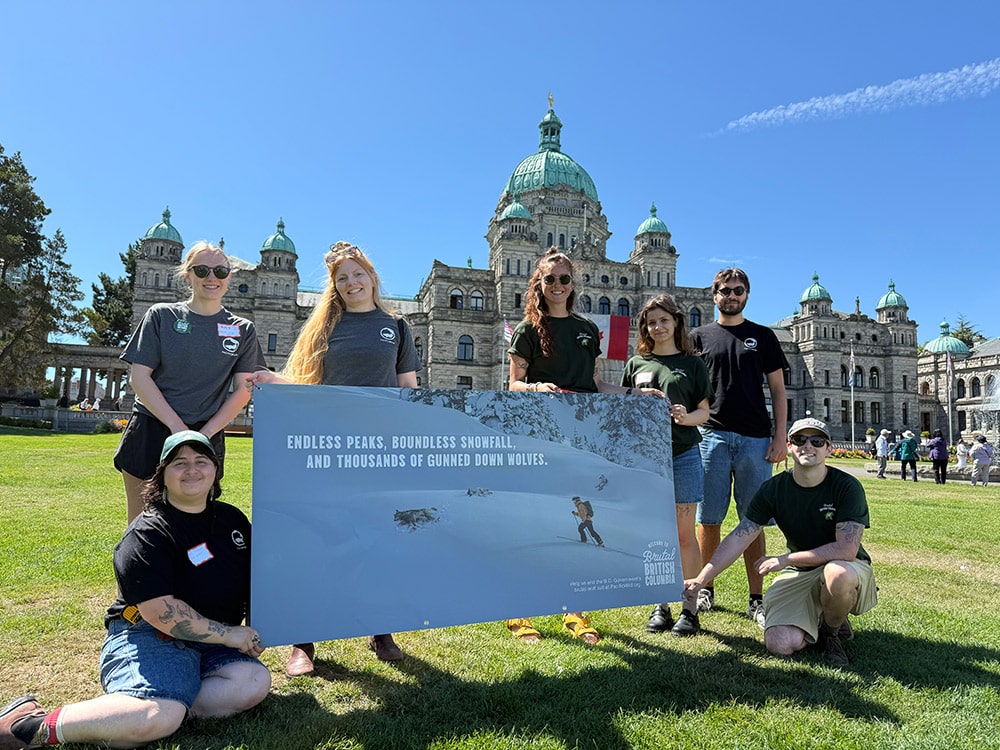
In 2022, the judgement came down in Pacific Wild’s request for a judicial review of the illegality of the B.C. government’s aerial killing program. While the judge sided with the government that they were no longer out of compliance with federal and provincial rules governing the killing of wolves via helicopter (because the government changed the law while the matter was before the courts, proving they previously broke the law every year with the gunning program), the biggest takeaway is that Pacific Wild has the public standing to speak on behalf of the wolves in our province.
We continue to examine potential legal strategies today, and along with 500,000 signers of our petition delivered to Victoria in October of 2021, raise the science that demonstrates inarguably that it is habitat protection that is needed to save caribou, not the senseless and brutal killing of wolves.
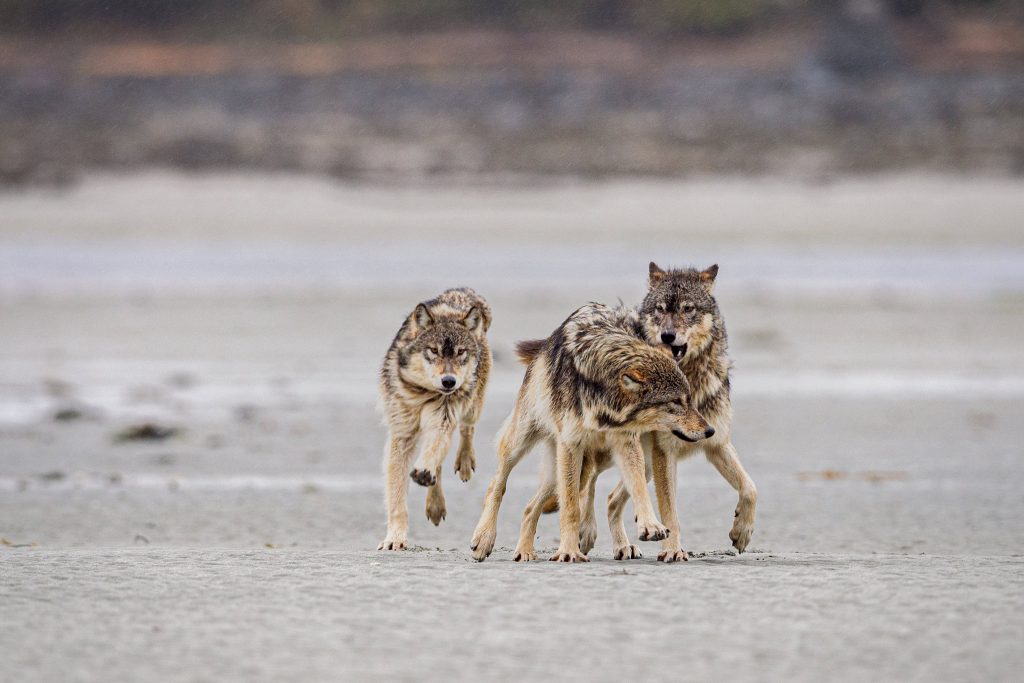
Sea wolves of the b.c. coast
2.
SAVE PACIFIC HERRING
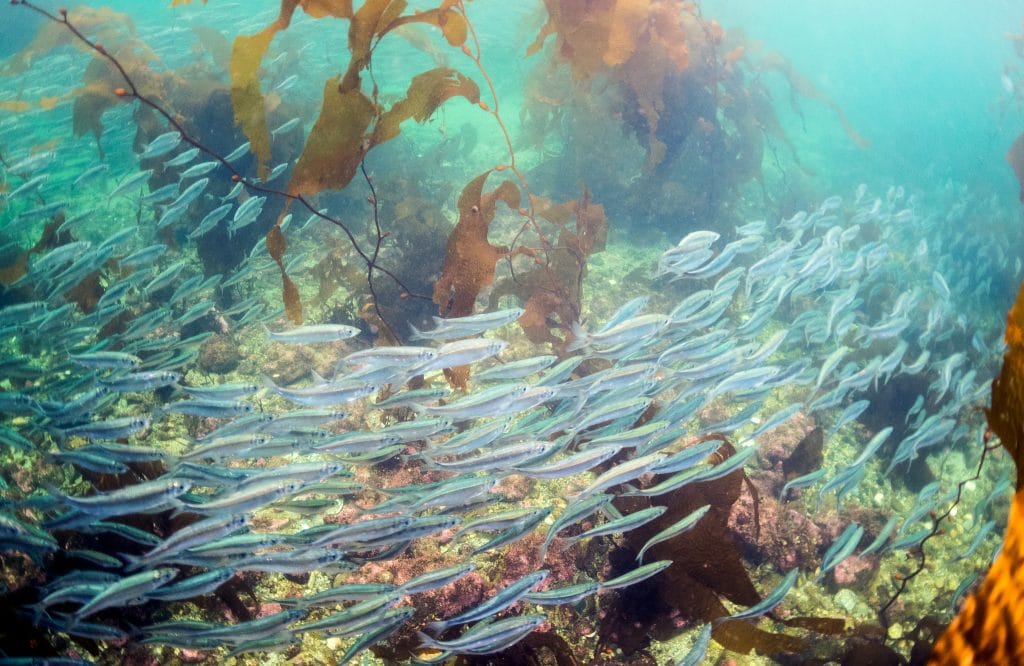
Since 2022, Pacific Wild has been raising awareness about the plight of Pacific herring through community engagement and education. Each year, we deliver multiple public presentations in coastal communities where herring still spawn, and have guest lectured for the University of Victoria’s Sustainable Fisheries course. We also published a comprehensive science resource list to make key research more accessible to the public and decision-makers.
During spawning season, our team travels to remote regions of B.C. to monitor herring activity, document spawning events, and track commercial fishing vessels using AIS technology. While the commercial herring fishery in the Strait of Georgia remains open, recent years have seen growing public support for protecting this “big little fish.”
In addition, WSÁNEĆ hereditary chiefs have called for an immediate moratorium on all commercial herring fisheries in the Salish Sea. Their declaration — signed by six hereditary leaders — is a powerful appeal to end the commercial harvest of Pacific herring and safeguard their ecological and cultural importance.
3.
PROTECT WILD SALMON

When Pacific Wild, with Maximum Effort, launched the F OFF campaign in 2024—short for F Off Fish Farms—we knew it would stir controversy.
The federal government had just walked back its 2019 promise to close open-net pen salmon farms by 2025—delaying the phase-out to 2029.
Meanwhile, the salmon farming industry and its supporters were already lobbying hard to overturn the initial commitment.
And now, with each passing month, the cost of inaction becomes more evident: diesel spills, sea lice outbreaks, and unlawful practices are putting ecosystems and wild salmon further at risk.
Abandoning Canada’s signature politeness, in June 2024 William Shatner delivered a call-to-profanity that pierced through government denial and industry spin. The campaign’s message was as fierce as the crisis itself—and it unleashed a tidal wave of public awareness.
With over 7 million views, widespread media coverage, and a groundswell of public support, F OFF succeeded in shifting the conversation—and made it impossible to ignore what’s at stake for wild salmon and coastal ecosystems.
“This campaign shattered the norms of conservation communication,” said Karen McAllister, Executive Director of Pacific Wild. “It was radically honest and absolutely necessary. Wild salmon and coastal communities deserve a future free from the damage caused by industrial salmon farms.”
4.
GRIZZLY BEAR TROPHY HUNT BAN
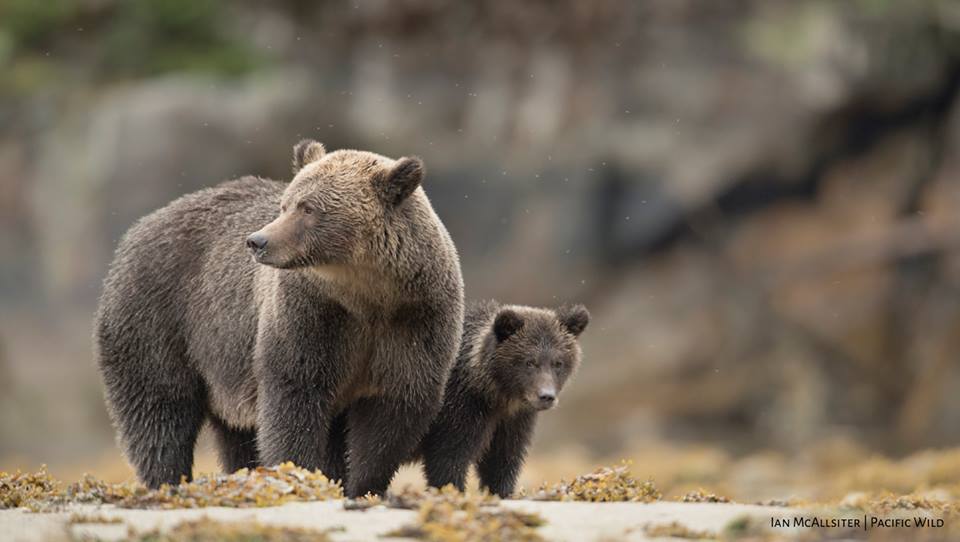
After two decades of dedicated campaigning, it is with immense relief and hope for the future that we can now say that for the past five years, grizzly bears of B.C. have been safe from being legally killed for sport or trophy. We are so grateful to the countless people from Canada and around the world that were part of the campaign to protect B.C. grizzly bears.
In particular, we owe a debt of gratitude to the leadership of Coastal First Nations who made this issue a priority in their many negotiations with the provincial government. And to the many non-government organizations, individuals, scientists, businesses, and especially the charter boat fleet and the bear viewing lodges across the province that helped to instill in people the love of one of our most iconic and magnificent land mammals. This is an incredible conservation achievement for our coast; grizzly bears have been given a helping hand as they continue to navigate our unpredictable and ever evolving relationship with the natural world.
Success by the numbers: 78,882 signatures. 7063 letters. 170 countries.
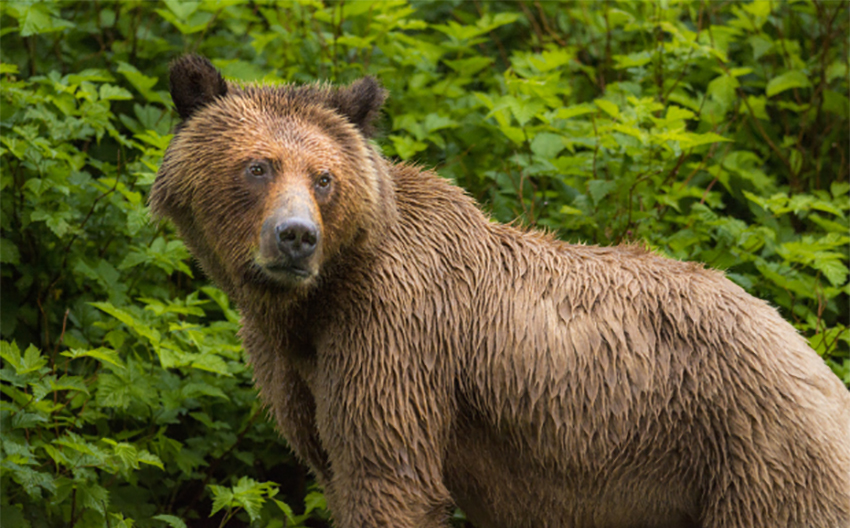
Video: the b.c. government announces ban on grizzly trophy hunting (2017)
5.
Community Herring Spawn-on-Kelp Fishery (SOK)
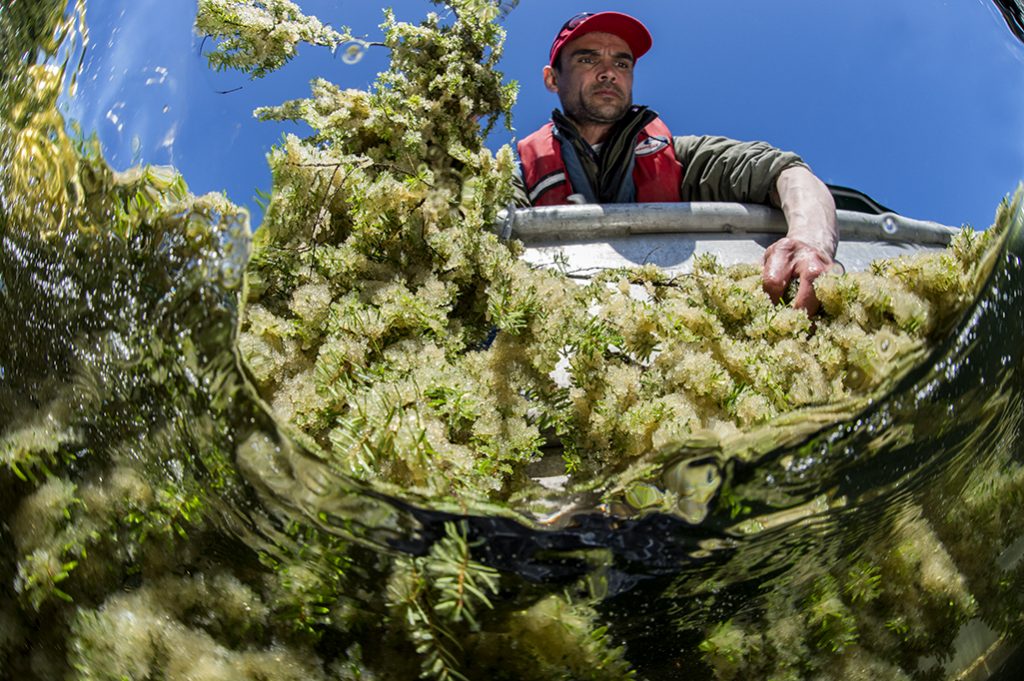
In 2015, the herring spawning season was marked by conflict, confrontation, and anguish. First Nations communities on B.C.’s central coast faced the industrial sac roe fleet and challenged Fisheries and Oceans Canada (DFO), which secretly allowed an seine opening in an area the Heiltsuk Nation had declared closed.
The Heiltsuk and Kitasoo/Xai’xais Nations unwavering efforts over many years resulted in one of the first fisheries co-management agreements ever reached in B.C. DFO reduced the quota to a level that forced the fleets to stay home, giving hope for recovery of a fish that is considered foundational for the entire coastal ecosystem and coastal First Nations cultures. Seven North and Central Coast First Nations recently signed a Reconciliation Framework Agreement with the federal government that will open the door for more joint fisheries management agreements based on the precautionary principle, similar to the agreement that the Heiltsuk Nation have been putting into practice with DFO in recent years.
The Heiltsuk’s focus is now on managing the traditional fishery and pushing to improve and extend the collaborative monitoring and management process to other fisheries. Pacific Wild supported the Heiltsuk during and after the protest, with a dedicated team of visual storytellers who delivered the story from the Heiltsuk perspective as it unfolded in real-time, reaching media saturation across Canada and helping to turn the tide against unsustainable management.
Unfortunately, pressures on these herring populations caused the DFO to cancel the SOK fishery in 2022.
In 2024, a commercial spawn-on-kelp (SOK) fishery opened for the first time on the west coast of Vancouver Island, marking a significant step toward sustainably harvesting herring while revitalizing Indigenous economies. We conducted a powerful interview with Kadin Snook to share his perspective on this important development.
AWARDS

PROTECT WILD SALMON
With over 150 campaign entries, Pacific Wild’s F OFF campaign took home an incredible five awards at the 2025 Achieving Communications Excellence (ACE) Awards —including two golds and the coveted Best in Show:
🏅 Best in Show
🥇 Gold – Brand Development Campaign of the Year
🥇 Gold – Digital Communications Campaign of the Year
🥈 Silver – Best Use of Media Relations
🥉 Bronze – Best Cause-Related Campaign
“We know awards won’t save wild salmon, but it shows that we’re striking a chord with people,” said Natasha Wehn, Pacific Wild Project Director. “We are changing the conversation. We are pushing back against accepting the status quo.”

DRAGGED TO DEATH (BAN INDUSTRIAL TRAWLING)
Our interactive storymap Dragged to Death was accepted into the ESRI User Conference in San Diego and recognized as a finalist in the “Map With A Message” category. This acknowledgement highlights the power of mapping as a storytelling tool and the importance of bringing attention to the ecological and cultural impacts of industrial trawl fisheries.