Skip to content
Vimeo-v Instagram Facebook-f Twitter
Shop
Events
Join Us
Donate
  • Campaigns
    • Save BC Wolves
    • Save BC Bears
    • Bottom Trawling
    • Protect Pacific Herring
    • Marine Protection
    • Fish Farms Out
    • Research & Education
      • Science & Educational Resources
      • From Land to Sea: Great Bear Rainforest Story Map
  • Stories & News
    • All Articles
    • Bears
    • Wolves
    • Wild Salmon
    • Marine Protection
    • Herring
    • Bottom Trawling
    • Open Letters
    • In the News
      • Grizzly Bears In the News
      • Trawl Fisheries In the News
    • Press Releases
    • Conservation & Photography
  • Make A Difference
    • Take Action
    • Shop
      • Shop for Books and Apparel
      • Shop for Wildlife Prints
    • Save BC Wolves Online Community
    • Volunteer
    • Friends of Pacific Wild
    • #WildAuction Fundraisers
      • #WildAuction2023
  • Ways to Give
    • All Ways to Give
    • Leave a Gift in Your Will
    • Donate Stocks or Life Insurance
    • Corporate Giving
    • Donor Advised Funds
    • Foundation Giving
    • Donating by cheque or wire transfer
    • Start a Fundraiser
    • Fund our wishlist
    • Donate a Vehicle
    • Donor Support
  • About
    • Our Story
    • Our Team
    • Successes
      • Pacific Wild Journals
    • IMAX
      • A Great Big Film
      • IMAX Educator Guide
    • We’re Hiring
  • Campaigns
    • Save BC Wolves
    • Save BC Bears
    • Bottom Trawling
    • Protect Pacific Herring
    • Marine Protection
    • Fish Farms Out
    • Research & Education
      • Science & Educational Resources
      • From Land to Sea: Great Bear Rainforest Story Map
  • Stories & News
    • All Articles
    • Bears
    • Wolves
    • Wild Salmon
    • Marine Protection
    • Herring
    • Bottom Trawling
    • Open Letters
    • In the News
      • Grizzly Bears In the News
      • Trawl Fisheries In the News
    • Press Releases
    • Conservation & Photography
  • Make A Difference
    • Take Action
    • Shop
      • Shop for Books and Apparel
      • Shop for Wildlife Prints
    • Save BC Wolves Online Community
    • Volunteer
    • Friends of Pacific Wild
    • #WildAuction Fundraisers
      • #WildAuction2023
  • Ways to Give
    • All Ways to Give
    • Leave a Gift in Your Will
    • Donate Stocks or Life Insurance
    • Corporate Giving
    • Donor Advised Funds
    • Foundation Giving
    • Donating by cheque or wire transfer
    • Start a Fundraiser
    • Fund our wishlist
    • Donate a Vehicle
    • Donor Support
  • About
    • Our Story
    • Our Team
    • Successes
      • Pacific Wild Journals
    • IMAX
      • A Great Big Film
      • IMAX Educator Guide
    • We’re Hiring
donate

Tag: news

Herring

CTV Vancouver Island News: Groups Say Herring Stocks at Risk of Overfishing

Read More
Herring - one step closer to extinction
Herring

CBC: Tensions rise ahead of B.C. herring fishery season

Read More
Open Letters

Cease and Desist Letter Issued to B.C. Government for Controversial Wolf Cull

Read More
In the News

Nanaimo News Bulletin: DFO sets Salish Sea herring harvest rate at 20 per cent

Read More
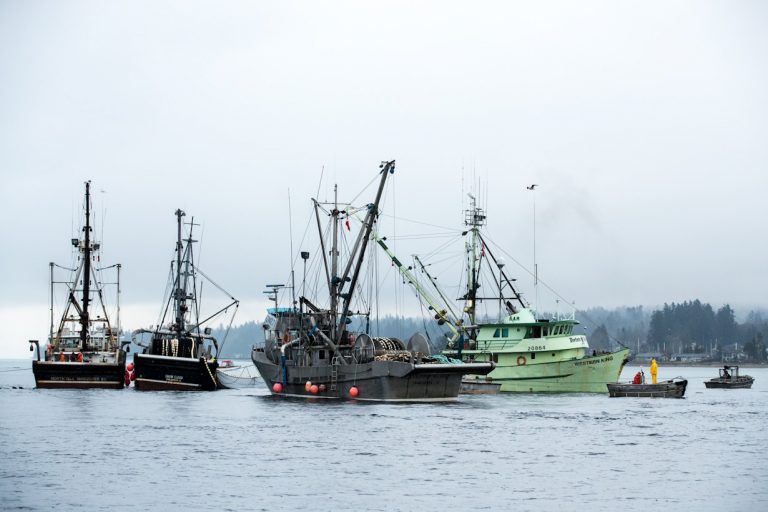
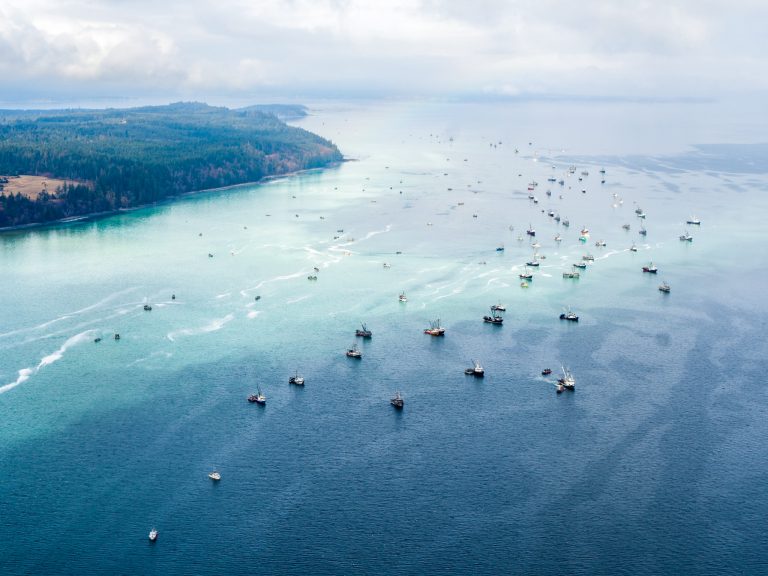
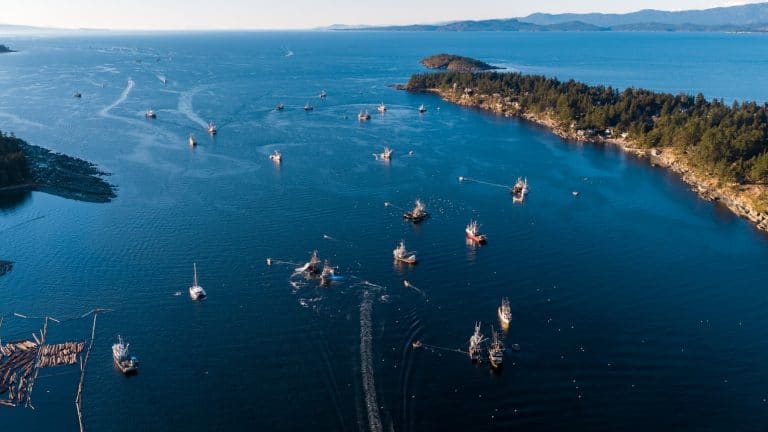
The seine and gill net boats spread for miles over the waters of the Strait of Georgia during the 2019 roe herring fishery.
Herring

Press Release: Salish Sea Herring Collapse Looms As DFO Bows to Industry, ignoring its own science, indigenous knowledge and public outcry

Read More
Bears

Position Statement Regarding Anmore Bear Cub

Read More
Ian McAllister photo
Press Releases

Public Safety Advisory Issued for Aerial Wolf Killing

Read More
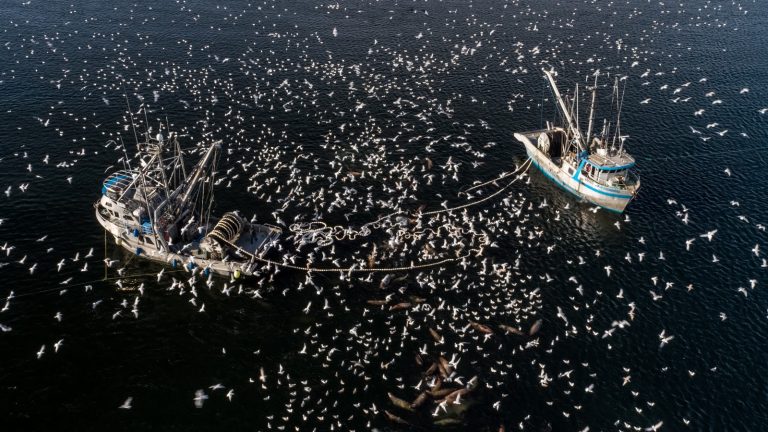
The seine fleet on the water in the Strait of Georgia in 2019. Photo: Ian McAllister
Herring

Comox Valley Record: Opponents call for closure of herring fishery in Strait of Georgia

Read More
Press Releases

Over 4,000 BC black bears killed in last 8 years by government agency 

Read More
The seine and gill net boats spread for miles over the waters of the Strait of Georgia during the 2019 roe herring fishery.
Herring

Straight of Georgia Herring – One Step Closer to Extinction

Read More
eggs-herring-indigenous-rights-1200x800
Herring

DFO moves to open controversial herring fishery

Read More
Pacific Wild Journal 2019
In the News

Pacific Wild Journal 2019: Look at What We’ve Accomplished Together

Read More
Herring Forum 2019
Herring

HELIT TŦE SȽOṈ,ET (Let the Herring Live)

Read More
Herring fishery 2019
Herring

Strait of Georgia Herring in Steep Decline

Read More
Open Letters

Open Letter Regarding “Predator Reduction for Caribou Recovery”

Read More
Page1 Page2 Page3 Page4 Page5

Contact Us

Email: info@pacificwild.org

Phone: 250-380-0547

Main Office
1529 Amelia Street, Victoria, BC
Lək̓ʷəŋən Territory
V8W 2K1

Field Office
P.O. Box 26
Denny Island, BC
Haíɫzaqv Territory
V0T 1B0

quick links

1% for the Planet Pacific Wild
Stories & News
Marine Protection Microsite
Shop
Media Kit
Donor Portal
Donor Portal (US)
Benevity Matched Payroll Giving

Charity Navigator Rating

Instagram

🐺 The B.C. government isn`t just ignoring science. It`s ignoring you.

Since 2015, over 2,800 wolves have been killed in the name of caribou recovery. Now the government wants to extend the wolf cull for another 5 years. And this time, they didn`t even bother asking the public.
When they tried this in 2021, almost two-thirds of British Columbians said no. They did it anyway. ❌

This time, there was no public comment period at all.

So we built one ourselves. Over 1,800 public comments, delivered straight to the steps of the B.C. Legislature. 📣 Because if the government won`t ask, we will.

70%+ of British Columbians agree: wolves are iconic, vital, and worth protecting. For 11 years, they`ve paid for a crisis humans created.

Your voice matters, even when the government acts like it doesn`t.

🔗 Link in bio or visit pacificwild.org to tell B.C. to end the wolf kill once and for all.

#SaveBCWolves #EndTheWolfCull #SaveCaribouHabitat #StandForWolves
Wolf footage courtesy of @visionhawk and @iantmcallister

609 21
Open post by pacificwild with ID 18447422593137061
🐺 The B.C. government isn't just ignoring science. It's ignoring you.

Since 2015, over 2,800 wolves have been killed in the name of caribou recovery. Now the government wants to extend the wolf cull for another 5  years.  And this time, they didn't even bother asking the public.
When they tried this in 2021, almost two-thirds of British Columbians said no. They did it anyway. ❌

This time, there was no public comment period at all.

So we built one ourselves. Over 1,800 public comments, delivered straight to the steps of the B.C. Legislature. 📣 Because if the government won't ask, we will.

70%+ of British Columbians agree: wolves are iconic, vital, and worth protecting. For 11 years, they've paid for a crisis humans created.

Your voice matters, even when the government acts like it doesn't. 

🔗 Link in bio or visit pacificwild.org to tell B.C. to end the wolf kill once and for all.

#SaveBCWolves #EndTheWolfCull #SaveCaribouHabitat #StandForWolves 
Wolf footage courtesy of  @visionhawk and @iantmcallister
609 21

🧡On National Indigenous Peoples’ Day, we acknowledge the immense impact of Indigenous-led conservation initiatives across the globe and here in British Columbia.

Today, we’re sharing just a few powerful examples of how Indigenous Nations, Guardians, Knowledge Holders, and communities are protecting species, restoring ecosystems, defending lands and waters, and leading the way toward a more just and resilient future.

🌎 Research shows that Indigenous lands are consistently associated with strong conservation outcomes, often matching or exceeding those of state-managed protected areas.
🦌 The Syilx Okanagan Nation has called for emergency federal protection for Southern Mountain Caribou habitat.
🐚 Six First Nations have established Mia-yaltwa Ha`lidzogm hoon, a major new Indigenous Protected and Conserved Area on B.C.’s Central Coast.
🌿 Katzie-led restoration in the Fraser River basin has reconnected vital wetland habitat for salmon and other species.
🌲 Kanaka Bar Indian Band is defending land slated for conservation from logging in B.C. court.
🐟 Indigenous partnerships in Clayoquot Sound are restoring salmon habitat and strengthening watershed health.
🦉 The Upper Nicola Band is marking ten years of burrowing owl recovery in B.C.

💙 These stories reflect something bigger: Indigenous stewardship is not only vital for protecting biodiversity, it is helping shape some of the most hopeful and effective conservation solutions of our time.

#NationalIndigenousPeoplesDay #IndigenousPeoplesDay #IndigenousLeadership #IndigenousStewardship #Conservation

230 0
Open post by pacificwild with ID 17954113845173554
🧡On National Indigenous Peoples’ Day, we acknowledge the immense impact of Indigenous-led conservation initiatives across the globe and here in British Columbia.

Today, we’re sharing just a few powerful examples of how Indigenous Nations, Guardians, Knowledge Holders, and communities are protecting species, restoring ecosystems, defending lands and waters, and leading the way toward a more just and resilient future.

🌎 Research shows that Indigenous lands are consistently associated with strong conservation outcomes, often matching or exceeding those of state-managed protected areas.
🦌 The Syilx Okanagan Nation has called for emergency federal protection for Southern Mountain Caribou habitat.
🐚 Six First Nations have established Mia-yaltwa Ha'lidzogm hoon, a major new Indigenous Protected and Conserved Area on B.C.’s Central Coast.
🌿 Katzie-led restoration in the Fraser River basin has reconnected vital wetland habitat for salmon and other species.
🌲 Kanaka Bar Indian Band is defending land slated for conservation from logging in B.C. court.
🐟 Indigenous partnerships in Clayoquot Sound are restoring salmon habitat and strengthening watershed health.
🦉 The Upper Nicola Band is marking ten years of burrowing owl recovery in B.C.

💙 These stories reflect something bigger: Indigenous stewardship is not only vital for protecting biodiversity, it is helping shape some of the most hopeful and effective conservation solutions of our time.

#NationalIndigenousPeoplesDay #IndigenousPeoplesDay #IndigenousLeadership #IndigenousStewardship #Conservation
230 0

🐟 Today marks two years since the federal government announced its plan to transition away from open-net pen salmon farms in B.C. waters by 2029. Yet, the industry continues to claim these farms are essential to Canada`s food security. The facts tell a different story.

📈 In 2019, the B.C. Salmon Farmers Association reported that 60% of farmed salmon production was exported. By 2025, the industry reported that roughly 70% of B.C.`s farmed salmon was being shipped to American customers alone. Meanwhile, FCC Economics and Statistics Canada report that seafood consumption in Canada has been declining for decades. Seafood remains more expensive than many other protein sources, and many Canadians view it as a special-occasion food rather than an everyday staple.

🌍 If salmon farming is truly about food security, we must also consider the food security of other nations. According to @oceana, farmed salmon are largely fed with wild-caught forage fish that millions of people rely on for affordable protein. These fish are removed from local food systems, processed into feed, and used to grow farmed salmon that is primarily sold into wealthier markets. That is not creating food security. It’s redirecting food away from people who need it most.

🗣️As we reach the two-year mark in the government`s five-year transition away from open-net pen salmon farms from B.C. waters, now is not the time to let up. Until this commitment is legislated and fully implemented, we must keep raising our voices and reminding decision-makers that British Columbians expect the government to uphold its promise.

🔗 Follow the link in our bio to tell the government to uphold the 2029 commitment to support a fair transition to sustainable, land-based alternatives. You can also read Oceana’s 2026 article on the food security impacts of farmed salmon.

#FishFarmsOut #FOFF #WildSalmon #PacificSalmon #MarineProtection

123 2
Open post by pacificwild with ID 18600536206063704
🐟 Today marks two years since the federal government announced its plan to transition away from open-net pen salmon farms in B.C. waters by 2029. Yet, the industry continues to claim these farms are essential to Canada's food security. The facts tell a different story.

📈 In 2019, the B.C. Salmon Farmers Association reported that 60% of farmed salmon production was exported. By 2025, the industry reported that roughly 70% of B.C.'s farmed salmon was being shipped to American customers alone. Meanwhile, FCC Economics and Statistics Canada report that seafood consumption in Canada has been declining for decades. Seafood remains more expensive than many other protein sources, and many Canadians view it as a special-occasion food rather than an everyday staple.

🌍 If salmon farming is truly about food security, we must also consider the food security of other nations. According to @oceana, farmed salmon are largely fed with wild-caught forage fish that millions of people rely on for affordable protein. These fish are removed from local food systems, processed into feed, and used to grow farmed salmon that is primarily sold into wealthier markets. That is not creating food security. It’s redirecting food away from people who need it most.

🗣️As we reach the two-year mark in the government's five-year transition away from open-net pen salmon farms from B.C. waters, now is not the time to let up. Until this commitment is legislated and fully implemented, we must keep raising our voices and reminding decision-makers that British Columbians expect the government to uphold its promise.

🔗 Follow the link in our bio to tell the government to uphold the 2029 commitment to support a fair transition to sustainable, land-based alternatives. You can also read Oceana’s 2026 article on the food security impacts of farmed salmon.

#FishFarmsOut #FOFF #WildSalmon #PacificSalmon #MarineProtection
123 2

🌈 This Pride Month, we celebrate the incredible diversity that exists not only within our communities, but throughout the natural world. Scientists continue to discover that diversity is not an exception in nature, it is a fundamental part of life on Earth. Across ecosystems, species have evolved an extraordinary range of ways to live, reproduce, and interact with one another.

From same-sex pairings in birds and mammals, to single-celled organisms with seven different sexes, plants that don`t fit neatly into male or female categories, and everything in between, the natural world reminds us that there is no single way to be. Diversity has always existed, and it enriches ecosystems, species, and communities alike.

❤️🧡💛 Happy Pride! 💚🩵💜

#Pride #PrideMonth

321 1
Open post by pacificwild with ID 18116898115642046
🌈 This Pride Month, we celebrate the incredible diversity that exists not only within our communities, but throughout the natural world. Scientists continue to discover that diversity is not an exception in nature, it is a fundamental part of life on Earth. Across ecosystems, species have evolved an extraordinary range of ways to live, reproduce, and interact with one another.

From same-sex pairings in birds and mammals, to single-celled organisms with seven different sexes, plants that don't fit neatly into male or female categories, and everything in between, the natural world reminds us that there is no single way to be. Diversity has always existed, and it enriches ecosystems, species, and communities alike.

❤️🧡💛 Happy Pride! 💚🩵💜

#Pride #PrideMonth
321 1

🐺When the pack reunites, everyone shares in their recent hunting and foraging successes through their spectacularly heightened sense of smell. There are no secrets among wolves.

❤️ As highly social animals, wolves live in close-knit family groups, caring for one another, cooperating to raise pups, and strengthening bonds through affection, play, and communication. Their family connections are at the heart of everything they do.

🎥Footage courtesy of @iantmcallister

#SaveBCWolves #StopTheCull #CompassionateConservation #BiodiversityConservation #Wolves

1197 18
Open post by pacificwild with ID 18097486031607200
🐺When the pack reunites, everyone shares in their recent hunting and foraging successes through their spectacularly heightened sense of smell. There are no secrets among wolves.

❤️ As highly social animals, wolves live in close-knit family groups, caring for one another, cooperating to raise pups, and strengthening bonds through affection, play, and communication. Their family connections are at the heart of everything they do.

🎥Footage courtesy of @iantmcallister 

#SaveBCWolves #StopTheCull #CompassionateConservation #BiodiversityConservation #Wolves
1197 18

🛑 The B.C. government is proposing another 5 years of killing wolves through its caribou recovery program, which spends over a million taxpayer dollars to shoot hundreds of wolves from helicopters with semi-automatic rifles each year.

In an email to Pacific Wild, the government stated: “Because both habitat recovery and predator–prey rebalancing are inherently gradual processes, prematurely discontinuing predator reduction would result in rapid predator recolonization and immediate declines in caribou populations.”

❓But are there non-lethal actions the government can take which would have an immediate impact? Research conducted by biologist and data scientist, Jonah Keim, suggests YES there are.

🚧 His research showed that by placing obstacles (like downed trees or soil mounds)in areas disturbed by human impact — particularly linear features like logging roads and seismic lines — wildlife managers could reduce the ability of wolves to move quickly through the landscape. Even blocking just 40% of these linear features in an area reduced wolf-caribou encounters by 85% and black bear-caribou encounters by 60%.

🔍This research demonstrates that managing animal movements can effectively reduce predator-prey encounters, reducing pressure on endangered species without needing to kill keystone species like wolves. This non-lethal alternative avoids the disruptive ecological impacts that removing carnivores might cause, and provides a cost-effective, ethical alternative to predator removals in the shorter-term even while long-term habitat restoration is underway.

🐺 Wolves have been made a convenient scapegoat while industry is allowed to continue damaging critical caribou habitat year after year.

🖐️Tell the government to STOP the wolf cull. Pacific Wild has been given until June 15th at 10a to submit feedback on extending the wolf cull for another 5 years. We want to include YOUR voice. Visit our website to submit your comment today. ✍️

📣 If you’ve already submitted a comment, be sure to share the link with your pack to amplify your impact!🐾

#SaveBCWolves #CompassionateConservation

2532 100
Open post by pacificwild with ID 18448883794140817
🛑 The B.C. government is proposing another 5 years of killing wolves through its caribou recovery program, which spends over a million taxpayer dollars  to shoot hundreds of wolves from helicopters with semi-automatic rifles each year.

In an email to Pacific Wild, the government stated: “Because both habitat recovery and predator–prey rebalancing are inherently gradual processes, prematurely discontinuing predator reduction would result in rapid predator recolonization and immediate declines in caribou populations.”

❓But are there non-lethal actions the government can take which would have an immediate impact? Research conducted by biologist and data scientist, Jonah Keim, suggests YES there are.

🚧 His research showed that by placing obstacles (like downed trees or soil mounds)in areas disturbed by human impact — particularly linear features like logging roads and seismic lines —  wildlife managers could reduce the ability of wolves to move quickly through the landscape. Even blocking just 40% of these linear features  in an area reduced wolf-caribou encounters by 85% and black bear-caribou encounters by 60%.

🔍This research demonstrates that  managing animal movements can effectively reduce predator-prey encounters, reducing pressure on endangered species without needing to kill keystone species like wolves. This non-lethal alternative avoids the disruptive ecological impacts that removing carnivores might cause, and provides a cost-effective, ethical alternative to predator removals in the shorter-term even while long-term habitat restoration is underway.

🐺 Wolves have been made a convenient scapegoat while industry is allowed to continue damaging critical caribou habitat year after year.

🖐️Tell the government to STOP the wolf cull. Pacific Wild has been given until June 15th at 10a  to submit feedback on extending the wolf cull for another 5 years. We want to include YOUR voice. Visit our website to submit your comment today. ✍️

 📣 If you’ve already submitted a comment, be sure to share the link with your pack to amplify your impact!🐾

#SaveBCWolves #CompassionateConservation
2532 100
Follow on Instagram

© 2026 PACIFIC WILD  •  All Photography © Ian McAllister unless otherwise noted. Managed by Mastermynde  •  Privacy Policy
•  Terms of Service

  • Donate Now
    ▾
    • Other Ways to Give
  • Campaigns
    ▾
    • Save BC Wolves
    • Fish Farms Out
    • Save BC Bears
    • Protect Pacific Herring
    • Marine Protection
    • Research & Education
      ▾
      • From Land to Sea: Great Bear Rainforest Story Map
      • SEAS Community Initiative
  • Stories & News
    ▾
    • All Articles
    • Wolves
    • Wild Salmon
    • Herring
    • Marine Protection
    • Bottom Trawling
    • Open Letters
    • In the News
    • Press Releases
    • Conservation & Photography
  • Make a Difference
    ▾
    • Take Action
    • Join the Save BC Wolves Online Community
    • Friends of Pacific Wild
    • Volunteer
  • About
    ▾
    • Our Story
    • Our Team
    • Successes
    • Partners
    • We’re Hiring
  • IMAX
    ▾
    • A Great Big Film
    • IMAX Educator Guide
  • Shop
    ▾
    • Shop for Books & Apparel
    • Shop for Prints
  • Call 1-250-380-0547
[dynamic-sidebar id="Default Sidebar"]
  • Donate Now
    ▾
    • Other Ways to Give
  • Campaigns
    ▾
    • Save BC Wolves
    • Fish Farms Out
    • Save BC Bears
    • Protect Pacific Herring
    • Marine Protection
    • Research & Education
      ▾
      • From Land to Sea: Great Bear Rainforest Story Map
      • SEAS Community Initiative
  • Stories & News
    ▾
    • All Articles
    • Wolves
    • Wild Salmon
    • Herring
    • Marine Protection
    • Bottom Trawling
    • Open Letters
    • In the News
    • Press Releases
    • Conservation & Photography
  • Make a Difference
    ▾
    • Take Action
    • Join the Save BC Wolves Online Community
    • Friends of Pacific Wild
    • Volunteer
  • About
    ▾
    • Our Story
    • Our Team
    • Successes
    • Partners
    • We’re Hiring
  • IMAX
    ▾
    • A Great Big Film
    • IMAX Educator Guide
  • Shop
    ▾
    • Shop for Books & Apparel
    • Shop for Prints
  • Call 1-250-380-0547